




Hero
Open Tuesday - Saturday, 10 a.m. to 4 p.m.
The Museum Collection
A picture of the first DEA training class. Green platform shoes. Programs on drug smuggling. With more than 5,000 objects, 40,000 photographs, and an online video archive, the Museum’s collection brings the history of drug law enforcement to life.
Content
Collection Spotlight
No matter how big or small, every artifact tells a story. While only a fraction of the objects and images in the Museum's collection, these eye-catching artifacts capture significant moments in the history of drugs and drug law enforcement.
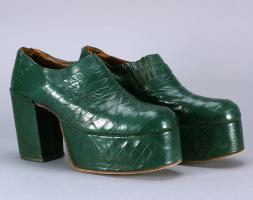
Green Platform Shoes
A DEA special agent wore these shoes during an undercover investigation of a cocaine ring in the 1970s.
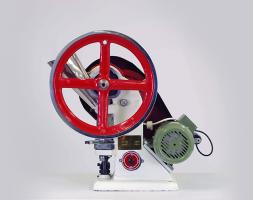
Tablet Press
A mechanical device that compresses powder into tablets of uniform size and weight.
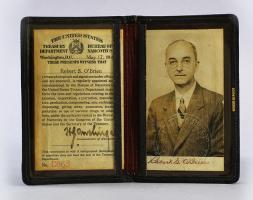
Bureau of Narcotics Credentials
Credentials issued in 1944 to Robert S. O'Brien, Agent, Federal Bureau of Narcotics.
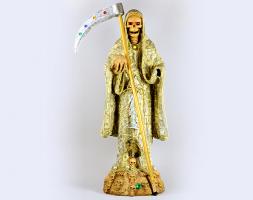
La Santa Muerte Statue
A spiritual icon found among members of the Gulf, Sinaloa, and Juarez drug cartels.
Explore the Collection
From hundred-year-old medicine bottles to a seized Harley-Davidson motorcycle, the Museum’s collection is a trove of artifacts and images that chronicle DEA’s past and the history of drug use in the United States. Click here to examine notable artifacts and more.
video archive
The Museum hosts a variety of programs and events that captivate domestic and international audiences. Artifact talks, memorials, and interviews with special guests are only some of the videos you can explore in this interactive archive.
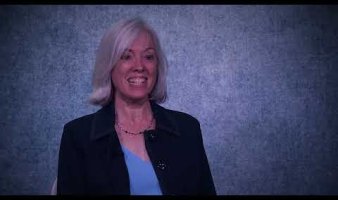
Julie Mendosa Oral History
Julie Mendosa, DEA Intelligence Analyst (ret.), describes her career as a new DEA intelligence analyst who contributed to Operations Snowcap and Kingpin in the 1990s, and her related travels to Bolivia and Colombia. She describes pursuing cocaine traffickers and their money brokers and launderers in the New York Field Division in 1995, and then her later work as the Intelligence Supervisor for the High Intensity Drug Trafficking Area in San Francisco, CA.
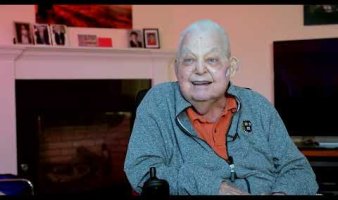
John Bartels Oral History
John Bartels talks about the formation of DEA and serving as its first Administrator from October 1973 through May 1975.
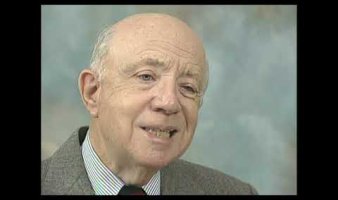
John Cusack Oral History
John “Jack” Cusack, a retired DEA Special Agent, describes his role in taking down heroin traffickers associated with the French Connection in the 1960s.